Light-roast coffee is a research in restraint. It asks the roaster to quit just before caramel turns to char, to maintain the sugars undamaged, and to let level of acidity sing rather than hush it. When done well, a light and bright profile can taste like sunlit citrus, bergamot, honeydew, pink florals, or candied stone fruit. When done poorly, it transforms woody, sour, or slim. The difference often starts long before the pot boils. It starts with environment-friendly coffee choice, toasting ability, and quality. Shipment rate issues. Product packaging matters. Even just how a carrier treats a box on a damp afternoon can nudge flavors.
I have actually invested the past years turning through subscriptions, single-bag acquires, and seasonal boxes from specialty roasters throughout the USA and Europe. My kitchen looks like a miniature cupping lab for half the year, with a well-lit edge dedicated to flat-bottom makers and a knock box that has actually seen better days. Light-roast enthusiasts are ruined for choice today. The technique is to match origin and process to your choices, after that discover a distribution version that maintains beans at peak taste without setting you back more than your grinder.
Below, you'll locate a useful map to light and bright coffee, plus the roasters and shipment programs that continually obtain it right, whether you want the most effective coffee beans delivered promptly for a weekend pour-over or you're searching for cheap coffee beans delivered without giving up quality. Anticipate some trade-offs. Citrus-forward Kenyan great deals might taste electrical however require tighter dialing. All-natural Ethiopian coffees can flooding the cup with fruit, yet they penalize inaccurate pours. I'll flag these edges along the way.
The composition of light and bright
Brightness in coffee is not a solitary note. It's a chord made from level of acidity kind, sweetness, responsive feeling, and aftertaste. In a light-roast profile, level of acidity typically leads, however sweetness has to follow close behind or you'll seem like you're consuming alcohol lemon water. Consider it as a tightrope in between sprightliness and balance.
- Acidity shape: Citrus (lemon, yuzu), malic (green apple, pear), tartaric (grape), phosphoric (shimmering soda vibes). Kenyan and Ethiopian washed coffees frequently bring phosphoric pop. Colombian and Guatemalan washed great deals lean malic. Naturally processed Ethiopians can push toward ripe berry and exotic tartness. Sweetness and structure: High-altitude beans with mindful choosing show clean sweet taste. Roasters operating at light growth target sugar browning without tipping right into caramel and cacao. The result: a honeyed foundation that supports the acid. Aftertaste: Great light roasts complete long, not loud. The taste lingers without turning astringent.
The best coffee beans delivery programs calibrate roast routines to deliver within 24 to 72 hours of roast, preserve unstable aromatics with high-barrier valves, and stay clear of mid-transit heat exposure. A container of fragrance left in a warm truck loses top notes. Coffee behaves similarly.
Origins and procedures that compensate an intense palate
I rotate with certain coffee areas and handling techniques to maintain the cup lively without getting on trick territory.
Ethiopia, washed: The standard for flower and tea-like special. Regions such as Yirgacheffe, Guji, and Sidama supply jasmine, bergamot, lime passion, and white peach when baked gently. If you brew with a flat-bottom dripper, you'll often coax out lemon sweet with a long, tidy finish.
Ethiopia, natural: For fruit-forward brightness, naturals from Aricha or Shakiso can feel like strawberry compote and exotic fizz. The risk is muddiness if roasted badly or brewed as well warm. These beans like a slightly cooler brew water range, around 198 to 201 F, and a gentle pour.
Kenya, cleaned: If you hunger for glimmer, SL28 and SL34 selections from Nyeri and Kirinyaga carry blackcurrant, cranberry, and cola snap with phosphoric lift. Light-roast Kenyan coffees require precise removal. Overshoot and the cup feels sharp. Undershoot and you get thin cranberry skin as opposed to juice.
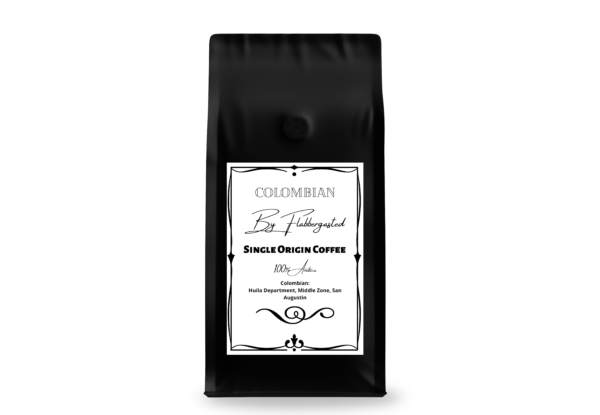
Colombia, washed or honey: Colombian coffees from Nariño and Huila bring a steady hand to brightness: eco-friendly apple, panela, and chinese, commonly with a silky appearance. Useful when you desire quality however not fireworks. A go-to in my rotation for weekday brews.
Guatemala, washed: Huehuetenango and Antigua lots often lean toward apple, cacao nib, and citrus peel. These are flexible beans for home brewers that want a brilliant cup without constant recalibration.
Rwanda and Burundi, washed: Floral-tart profiles with red fruit and tea notes, plus a signature sweet taste when the handling is tidy. Look for seasonal freshness. When fresh, you obtain cherry-lime and caramelized sugar. When previous prime, the level of acidity dulls first.
Experimental processes: Anaerobic, carbonic maceration, or prolonged fermentations canister enhance fruit and acid. They can additionally introduce fashionable, winey notes. I treat them as occasional deals with, not day-to-day drinkers, unless the roaster demonstrates restraint.
Roast strategy and what to search for on item pages
Good roasters of light coffee are transparent. They detail roast degree, harvest days, selection, elevation, handling, cupping notes, and occasionally water suggestions. They stay clear of unclear claims and show a roast graph or advancement time when they can. You're attempting to determine two things: whether the bean's intrinsic acidity matches your palate and whether the roast growth will certainly keep it sweet.
Helpful signals on a roaster's page:
- Roast degree referred to as light or light-medium, with sampling notes pointing out citrus, florals, or stone fruit instead of chocolate-heavy descriptors. Fresh plant language, such as "brand-new harvest," "arrived in July," or "fly plant," which hints at current landing and dynamic aromatics. Shipping cadence, preferably toasting to buy 2 to 4 days weekly, which boosts the chances you get beans within 3 to 5 days post-roast.
If you're comparing the best coffee beans delivery alternatives throughout multiple roasters, freshness and openness beat marketing gloss every time.
Delivery models that maintain light roasts at their peak
Speed issues, however uniformity matters a lot more. Light roasts establish guaranteed for a couple of days post-roast. For filter brewing, I locate the wonderful spot ranges from day 3 to day 21 for most cleaned coffees, and day 5 to day 28 for naturals. Past 4 weeks, brightness dulls. That shapes which delivery choice makes sense.
A la carte ordering: Perfect if you chase certain great deals. You can time purchase and delivery so beans get here mid-week, then ride the peak for 2 weeks. The downside is delivering fees can stack up unless you pack two or three bags.
Roaster memberships: One of the most reputable path to the most effective coffee beans delivered on time. Many supply a "filter light" track and will certainly stop briefly or miss when you take a trip. Look for versatile cadence alternatives: every 1, 2, 3, or 4 weeks. The business economics improve, usually shaving 5 to 15 percent off the retail price.
Multi-roaster subscriptions: Provider that curate from numerous roasters introduce selection without several shipping fees. Quality arrays from genuinely top-tier curation to box-of-surprises roulette. I gravitate to those that release roast dates and supply preference profiles tuned to "light and bright."
Direct import and minimal declines: Some roasters release micro-lots with transparent farm-level detail and higher cost. These can be peak experiences for bright profiles, though you spend for it in both dollars and the work of calling a picky bean.
If you're searching value, there are qualified cheap coffee beans delivery choices that still value the light-roast ethos. You might trade farm-level microlot traceability for regional blends or last period's great deals that still drink well. The key is staying clear of deal beans baked dark to conceal issues. Even on a budget, you can discover cheap coffee beans delivered that put clean and citrusy.
Roasters and programs that supply light and brilliant consistently
Geography shapes logistics. Rather than a single champion, I keep a list and choice based on beginning seasonality and delivery rate to my location.
United States, West Coastline: Numerous roasters in The golden state and the Pacific Northwest roast clear light accounts and ship quick across the region. They often publish thorough origin data and roast regular on set days. If you reside in the Hill West or Southwest, West Coast shipping can still strike you within 3 to 4 days post-roast, which is ideal for a light Ethiopian washed.
United States, Midwest and East: Chicago, Madison, and New york city location roasters can get to both shores in 2 to 4 days ground service. The far better ones roast to order and send with nitrogen-flushed, high-barrier bags. I have actually had Kenyan whole lots show up from the Midwest tasting amazingly fresh on day 4, with blackcurrant leaping out of the cup.
United Kingdom and EU: North European roasters press ultra-light Nordic-leaning profiles that are laser accurate. Illumination here means level of acidity with callous clarity. If you remain in the EU, you get the most effective coffee beans delivery timelines with 48 to 72 hour arrivals post-roast. If you're outside the EU, delivery can take 5 to 10 days and may be much better fit to naturals that hold aromatics longer.
Australasia: Roasters in Melbourne and Wellington have constructed a reputation for clean, fruit-first light roasts with somewhat more body. Regional delivery fasts. International buyers need to factor lengthy lead times and select beans that hold up.
If you're new to light and bright, start with Ethiopia washed or Colombia washed from a roaster known for filter roasts. If you already love acidity, include a Kenyan abdominal or peaberry and a natural Ethiopian to see exactly how your grinder and water handle extremes.
Shipping, bag engineering, and what quality actually means
Freshness is not code for earliest feasible mixture. Light-roast filter coffee needs rest. The carbon dioxide produced throughout roasting dissipates gradually, and brewing prematurely can mute sweet taste and inflate regarded level of acidity. For cleaned Ethiopians and Kenyans, I choose day 4 to 14. For naturals, day 6 to 21. Coffee extends longer.
Bag layout matters more than people assume. Seek multilayer or aluminum-lined bags with a one-way valve and an appropriate seal. Slim kraft paper with a shutoff is charming, yet not excellent for a 10-day journey. A terrific bag plus smart timing can make a three-state shipment outshine a local bag got same-day and opened up immediately.
When possible, pick shipping that avoids weekend holds. A bag toasting on Thursday and delivery Friday may being in a warehouse till Monday. If your roaster offers a ship-by choice, line it up so transit days land mid-week. Watch on climate. If your region strikes a heat wave, think about stopping for a week rather than cooking your coffee en route.
Brewing techniques that raise acidity without harshness
Light and intense beans reward intent at the brewer. You can highlight citrus and flower notes without thinning the body.
Water: Beginning with 60 to 80 ppm overall firmness, 20 to 40 ppm alkalinity, and calcium and magnesium in equilibrium. If your tap water is greatly mineralized, consider a countertop filter and a remineralization recipe. Reduced alkalinity sharpens perceived level of acidity, yet do not eliminate it totally or you'll obtain a glassy cup without any cushion.
Grind: Modern level burrs, especially with unimodal geometry, emphasize clearness and glimmer. Cone-shaped burrs can lend structure and sweet taste to balance level of acidity. I revolve a flat-burr mill for Ethiopia and Kenya washed, then switch to conical for naturals and Colombians.
Brew temperature level: For washed intense coffees, 200 to 203 F pulls complete aromatic variety and organized acidity. For fruity naturals, a touch colder - claim 198 to 201 F - prevents overextraction of fermenty notes. Adjust by 1 or 2 degrees, taste, and keep notes.
Flow and call time: A consistent, modest flow assists also removal. With flat-bottom drippers, I go for a 2:45 to 3:15 complete time for 15 to 18 grams of coffee. With conical drippers, an additional pulse can push acidity right into equilibrium. If your pour-over preferences like lemon pith, coarsen the grind somewhat and extend contact time by 10 to 20 seconds.
Dose and proportion: For washed Ethiopians and Kenyans, 1:16 to 1:17 highlights quality. For naturals, 1:15 to 1:16 tucks fruit into a sweeter frame. Espresso with light roasts asks for perseverance. Ratios like 1:2.5 and even 1:3 with longer preinfusion maintain brightness without attacking edges.
How to select between finest and budget
There's room in a thoughtful coffee routine for both the best coffee beans delivered with microlot provenance and cheap coffee beans delivery that still make bright and clean. The difference normally comes down to arranging and great deal size, not whether a coffee can be baked light successfully. Below's exactly how to keep requirements high without overspending.
- Seek regional blends from respectable roasters. A "Guji mix" or "Central America cleaned mix" can provide citrus and apple notes at a reduced rate than solitary farms. Great roasters construct these blends from high quality components, not leftovers. Watch for seasonal clearances. When brand-new crop lands, last season's top whole lots occasionally decrease in rate. A clean, well-stored bag from 6 months ago can still taste lively. Subscribe for cost savings, then stop briefly wisely. A subscription commonly nets 10 percent off plus incorporated delivery. Pause when you have surplus or when traveling looms. Order two bags each time. Lots of roasters give free shipping thresholds. Match a day-to-day regional blend with a special lot. You'll save on shipping and contrast accounts side by side. Avoid false economic situation. If a roaster sells beans for a suspiciously small cost and conceals roast days, you'll invest your savings in stress. Better to pay a couple of dollars extra for truthful information.
Those strategies help you navigate cheap coffee beans delivered alternatives without wandering into stale or level cups.
Anecdotes from the cupping table
A few sampling memories anchor my standards. A washed Ethiopian from Gedeb landed at my door on a Tuesday, roasted the previous Friday. Day 5 tasted like Meyer lemon and white peach with a jasmine vapor that seemed to climb up out of the mug. The same bag on day 12 sweetened into honeyed lemon tea. It stayed elegant through day 18, after that the leading notes receded.
A Kenyan from Nyeri, SL28 and SL34, baked ultra light, hit me on day 3 with hot blackcurrant and cranberry snap - a little unruly. By day 7 it discovered a groove: phosphoric shimmer, ripe currant, sugarcane sweetness. Grind changes by a solitary notch sufficed to turn from jolting to perfectly poised.
Then an affordable Central America mix from a highly regarded roaster stunned me. It set you back 20 to 25 percent less than single-origin bags. In the mug, I found green apple, lemon peel, and toffee sweet taste. Not a masterpiece, yet it held its own for weekday brews and took care of milk in tiny cappuccinos without breaking down. That bag convinced me you can chase worth while keeping the light-roast assurance alive.
Packaging and storage at home
Once package gets here, treat your coffee like fruit and vegetables, not kitchen filler. Keep bags in an amazing, shaded cupboard, not the fridge. Wetness condenses on cool beans when you open the bag, which damages clarity. If the bag lacks a strong seal, action beans to an impermeable container with a one-way shutoff. For bigger orders, freeze beans in portioned, impermeable packs. Freeze once, defrost when. I portion 60 to 80 grams in zip bags, squeeze out air, and stash them in a stiff container to avoid crushing. Icy coffee can taste amazingly fresh weeks later on, preserving the brilliant notes that discolor fastest.
Customer solution and shipping hygiene
The best coffee beans delivery solutions deal with customer interactions as part of quality assurance. If a shipment stalls in heat or a bag shows up damaged, excellent roasters make it appropriate quickly. I value roasters who send out tracking right away, reveal roast days before shipping, and respond to inquiries regarding water dishes and brew methods without copy-paste responses. When you locate that degree of treatment, stick with them.
On your end, do your component. Track deliveries so bags do not rest on a warm porch. If you reside in a dense building where parcels remain in a lobby, consider a pick-up locker or a job address. Little adjustments maintain bright mugs bright.
A basic course to your best first month
If you want a functional path to a bright lineup without overthinking it, follow this cadence over four weeks. Week one, order a cleaned Ethiopia from a roaster understood for filter profiles. Week 2, include a Colombian washed or honey for a slightly sweeter, extra forgiving cup. Week 3, bring in a Kenyan cleaned for that cola-like sparkle. Week 4, try a natural Ethiopian to see exactly how you like fruit-laden brightness. Keep notes on work, water, and temperature. You'll finish the month with a clear feeling of which beginnings and processes sing in your setup.
The quiet deluxe of doing light right
When the mug lands where it should, light-roast coffee seems like tailored garments. Absolutely nothing is additional, everything is calculated, and the fit lets you move. Brightness isn't volume. It's accuracy, https://sethpyiw105.tearosediner.net/cheap-coffee-beans-delivered-mass-get-options-explained deepness, and tidy lines. The roaster makes a thousand small decisions to hold the line before sugar, after that loads and ships to make sure that unstable scents aren't left on a packing dock. You select a delivery program that values the roast day and your schedule. You make with water and technique that offer acidity a soft location to land.
Whether you're chasing the very best coffee beans delivery from a roaster with a small-batch Kenyan you'll keep in mind all year, or surfing for cheap coffee beans delivery that still put lemony and sweet on a weekday morning, the exact same concepts use. Favor recent harvests and straightforward information. Shield the beans en route and in your home. Make with purpose. The reward is a cup that wakes the taste, not with quantity, yet with clarity. Intense, fragrant, quietly luxurious.